
^ Listen to this article
We forget; I forget that we are interconnected. The Buddha taught 2600 years ago that seeing ourselves as completely separate entities is an illusion created by the way our eyes and minds perceive the world. Quantum physicists like David Tong also explain that there’s one electromagnetic field and one electron field, and that each of us is made of ripples in those same fields. You can think of it like a wave at the beach. Each wave is unique just like each person is unique AND all of our individual waves are intrinsically part of the ocean.
Last month, all 68 employees of Abacus Wealth Partners, the company I co-founded, flew to Bend, Oregon, for our
Convergence retreat, where we minimized the Keynote presentations and maximized the opportunities for 1:1 collaboration. We did this to build a sense of belonging, retain our best people, bring out the genius in each other, enjoy ourselves, and increase the value we deliver to our clients.
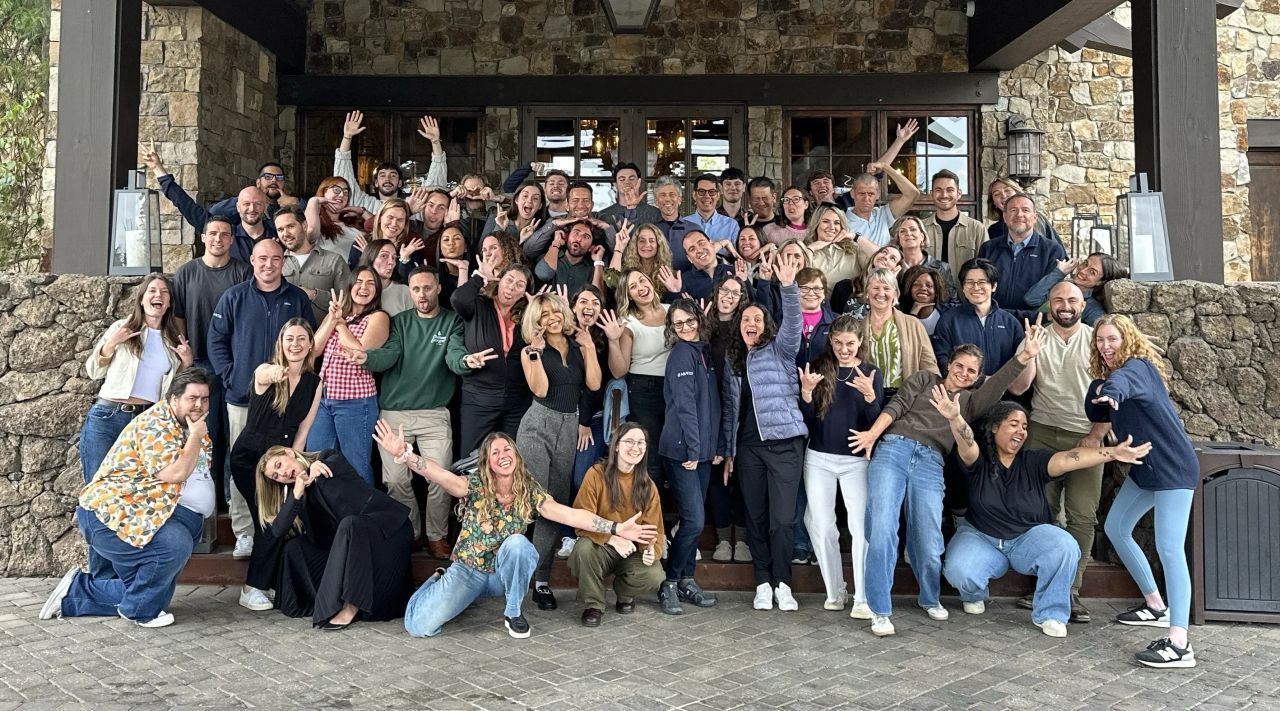
Our younger employees became camp counselors as we played Jenga, pickleball, cornhole, and trivia. We had a seating chart at meals so that people ate with the people they least knew, and we wrote something specific about each person’s genius on whiteboards that each of us rolled up and took home. (At Abacus, we define genius as that skill or quality that someone both excels at and loves doing.)
When a few newer employees told me that nothing like this had ever happened at their prior companies, I realized that what we’ve been doing for decades is unusual.
The more we sense this interconnection, the more peaceful, happy, and productive we’re likely to become. The longest study on adult life—Harvard Study of Adult Development—began in 1938, under the direction of Robert Waldinger. The study shows that the quality of our relationships does more for our health, longevity, and happiness than wealth, achievement, or fame. That’s remarkable!
The Buddha described the “self” as a changing stream of five aggregates: form (rūpa), feeling tone (vedanā), perception (saññā), mental formations (saṅkhārā), and consciousness (viññāṇa). That stream depends on the changing streams of all other living beings.
Thich Nhat Hanh called this interbeing. We’re all constantly in flux and shaped by everyone and everything around us.
This short practice helps you cultivate a sense of interconnection, starting with your own breath. Try this the next time you have a few quiet minutes:
- Settle into the breath and notice the air coming in, which was outside you a moment ago.
- As you exhale, notice that part of your body is leaving with the breath, in the form of carbon that a tree or plant will soon take in.
- Bring to mind someone in your life. The air you are breathing has passed through them, and theirs through you.
- Then contemplate, without answering in words: where do “I” end?
Share this post:
Subscribe to the Prosperity Letter
Follow me on:
The road to financial freedom is easier when you share the journey. By signing up for Spencer’s newsletter, you’re joining a growing community of people who’ve found their way to “Enough.”

Blog Detail Page Newsletter
FEATURED POSTS